Sarriguren, Spain – May 23, 2024
The ZEBRA-LIFE project, co-funded by the European Union under the LIFE Programme, hosted its fourth General Assembly on May 22 and 23, 2024, in Sarriguren (Navarra, Spain). Organized by the project coordinator, CENER (National Renewable Energy Centre of Spain), this event brought together consortium members to assess progress and strategize the transformation of black liquor into pioneering bio-based antioxidants.
Overview of Technological Progress
The assembly began with an overview by CENER, spotlighting advances in lignin depolymerization technology and outlining forthcoming activities. This innovative process transforms complex lignin extracted from black liquor into valuable antioxidants, marking a shift from conventional waste disposal to resource valorization.
Ibai Funcia, technical coordinator of ZEBRA-LIFE, emphasized the project’s dedication to pushing the boundaries of sustainable technology. “At CENER, we are proud of the project’s progress and the strong commitment of our partners. This initiative is a strategic cornerstone for us, and we fully endorse the technological innovation,” Funcia stated. His words underscore a deep trust in the innovative methods being developed, reflecting the consortium’s effort to redefine industry standards.
Industry Innovations and Achievements
Building on this powerful statement the discussion at the assembly transitioned to detailed updates on each Work Package. As the last months featured the testing of the second and third batches of the ZEBRA-LIFE product, the most relevant discussion revolved around the performance results over the different product profiles. Key highlights from the assembly discussions:
Advances in Cosmetics
ZEBRA products now match the antioxidant capacity of industry benchmarks like ascorbic acid (commonly known as Vitamin C) and are confirmed safe for skin, being non-Cytotoxic.
Innovations in Fuel and Lubricants
Innovations by Repsol have significantly enhanced ZEBRA products, potentially eliminating the need for solvents in fuel applications and boosting cost-efficiency.
Exploring New Applications in the Food Industry
While challenges remain in benchmarking ZEBRA products against conventional solutions, new approaches are being tested, including the use of these antioxidants in frozen pastries.
Progress in Rubber Applications
Variations between batch performances are guiding future assessments. The superior antioxidant capacity of ZEBRA-MMW product over traditional options promises more competitive future product comparisons and better economic viability of the technology.
Antioxidant activity monitoring system
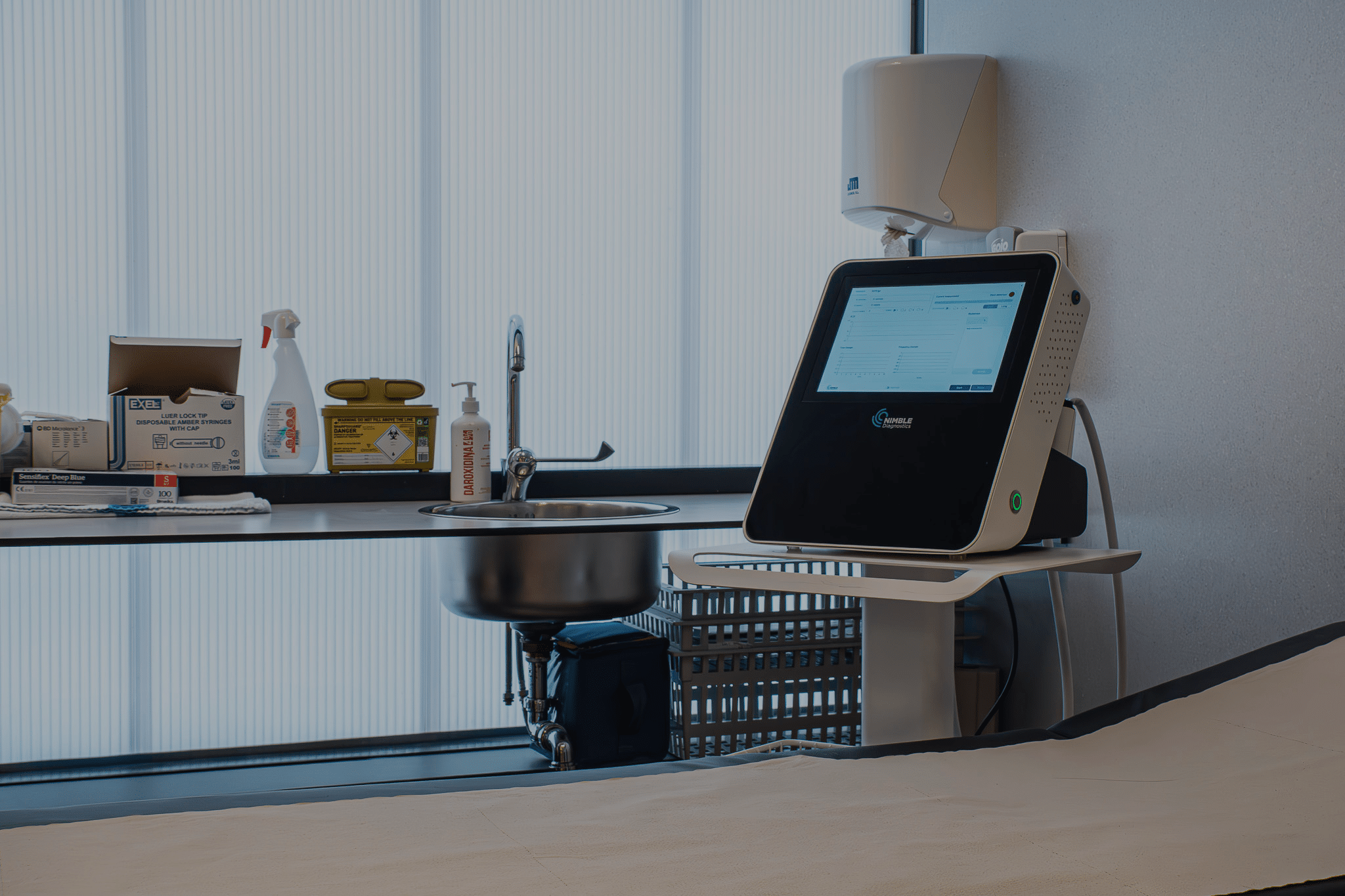
There has been great progress in developing an antioxidant monitoring system, which can now accurately measure antioxidant levels across various production stages and final products, albeit with some remaining challenges in food applications. The system is slated for imminent lab-level implementation at CENER before installation at the pilot plant.
Cross-Disciplinary Discussions and Pilot Plant Progress
Additionally, the assembly covered extensive cross-disciplinary topics including project management, monitoring, evaluation of project performance, IP protection, and initial techno-economic assessments aimed at improving the project visibility and stakeholder engagement.
On the second day, the consortium welcomed Ms. Josefa Diamantopoulos from the LIFE Monitoring Team (ELMEN EEIG), who reviewed the project’s major achievements and provided valuable insights and support for the project’s communication and exploitation strategies as well for the first reporting the consortium is working on.
The visit to the CENER-BIO2C facilities in Aoiz was an important milestone, marking the early stages of the ZEBRA-LIFE pilot plant. The recent arrival of the initial equipment signifies a crucial phase in the facility’s development. Set to begin operations in January 2025, the plant will produce semi-industrial batches tailored to each partner’s specifications. This preview provided attendees with a tangible sense of the plant’s future operational capabilities, underscoring its potential to impact sustainable industrial practices.

Consortium partners including CENER, Centro Tecnológico Riojano, Roka Furadada, Repsol, ASINCAR, Bioquochem, Inveniam Group, and Smurfit Kappa were represented at the meeting, each bringing unique expertise to the project.
As the ZEBRA-LIFE project moves forward, it continues to exemplify innovative approaches to sustainable development, transforming industrial by-products into valuable resources. Co-funded by the European Commission’s LIFE Programme, this initiative is a key contributor to advancing the European Green Deal’s vision by promoting sustainable product development for a circular economy.
Find more information in our website and in our Linkedin and X accounts.